
- Empowering farmers with AI, insights & sustainable innovation.
Organic Farming | Organic Agriculture | Natural Farming - Zirova AI
Discover how organic farming strengthens soil, protects ecosystems, and creates cleaner food. Learn global 2025 trends and real benefits for farmers. See why natural agriculture or organic agriculture is rising worldwide—and why more farmers are switching today.
What Is Organic Farming?
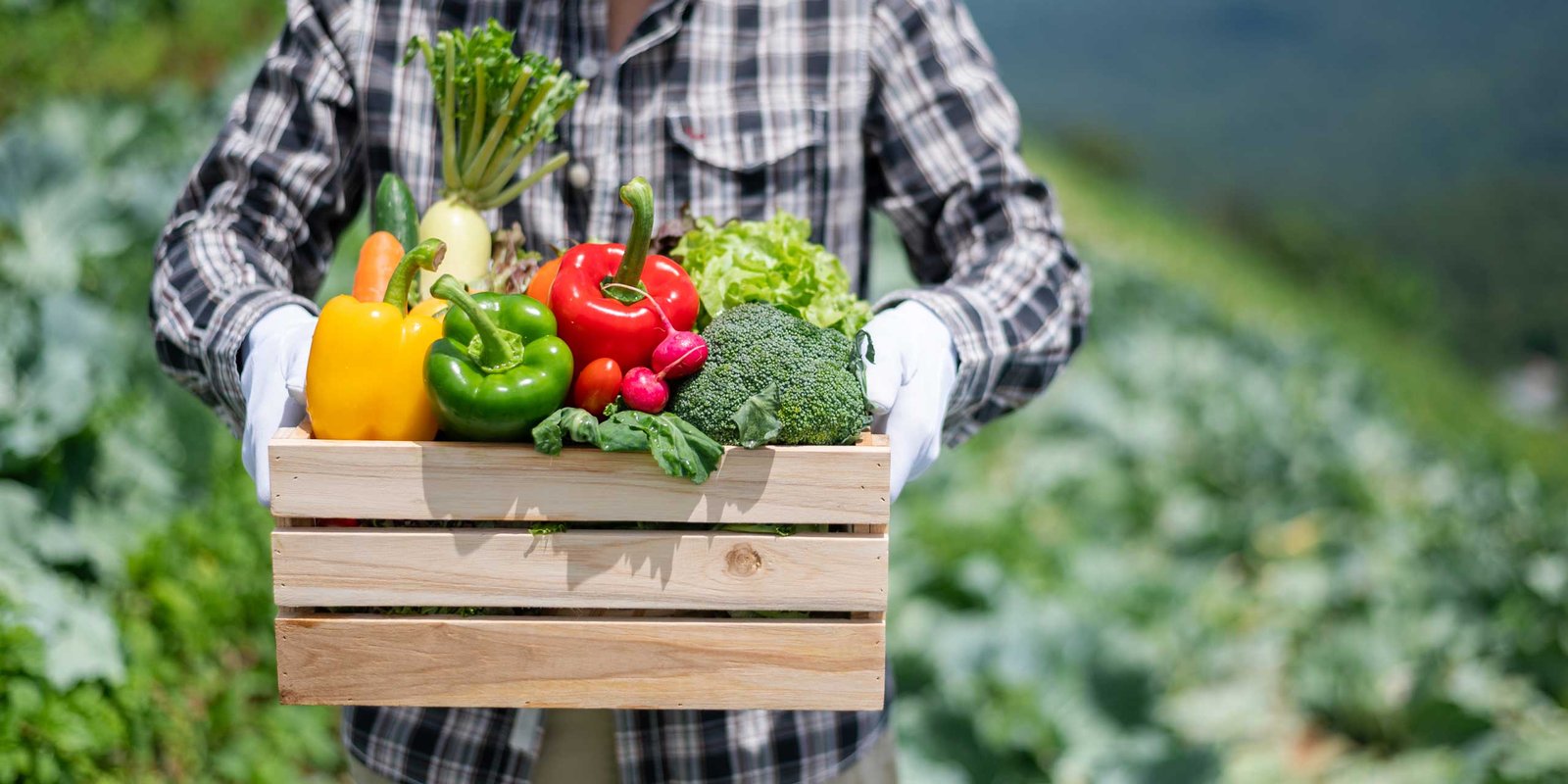
Organic farming is a natural method of growing crops and raising animals without synthetic fertilizers, chemical pesticides, genetically modified seeds, or artificial additives. It strengthens soil health, protects ecosystems, and supports clean food production. Organic agriculture follows ecological principles where soil, plants, water, insects, and people work together in balance.

Organic Farming for a Healthier Future
Organic farming is expanding across Asia, Africa, Europe, and the America.
We support eco-friendly farming that benefits farmers & consumers.

Our Journey Toward a Smarter and Sustainable Agriculture
How Organic Farming Works
Organic farming works by strengthening the natural systems that support plant growth. The heart of this method is healthy soil. Organic farmers build soil life through compost, manure, crop residues, and green manures. These materials enrich the soil and feed the microbes that help plants absorb nutrients.
Soil-Building Practices
Composting helps create stable organic matter. Manure adds nutrients and improves structure. Green manuring covers the soil with plants that later decompose into rich organic material.
Natural Pest Control
Organic farmers use biological controls, such as beneficial insects, plant extracts, and natural sprays. These methods help manage pests without harming soil or water.
Weed Management
Weeds are managed through mulching, hand weeding, and crop rotation. Cover crops keep weeds down and add biomass to the soil.
Ecological Balance
Organic farms support balance rather than fight nature. They use mixed cropping, buffer zones, and habitat protection to keep ecosystems healthy.
The 95/5 Organic Rule Explained
The ninety-five percent rule means that at least ninety-five percent of a product’s ingredients must come from organic sources. The remaining five percent can include approved non-organic items that meet safety guidelines.
Is Organic Food 100 Percent Natural?
Organic food is produced under strict standards that limit most synthetic substances. While the word natural is broad and loosely defined, organic certification gives clear assurance. It shows that the food was produced using natural methods, natural inputs.
Best Organic Fertilizers and Soil Inputs
Healthy soil is central to organic farming. Compost improves structure and supports microbial life. Manure adds nutrients slowly and safely. Vermicompost introduces beneficial microbes that support plant growth. Biofertilizers help crops absorb nutrients from the soil. Seaweed extracts provide trace minerals in small amounts.
Latest Agriculture Innovations
Organic Agriculture Innovations

Leverage smart GPS and satellite tools to boost yield, cut costs, and enhance field productivity efficiently.

Transform farm data into insights that improve planning, increase output, and ensure smarter decisions.

Use intelligent water management systems to save water and grow healthier crops.

Detect pests and diseases early with AI tools to protect crops, reduce loss, and ensure better harvests.

Get accurate forecasts and climate insights to plan efficiently, avoid risks, and maximize farm performance.

Access expert guidance to adopt modern tech, streamline operations, and drive growth.
Pros and Cons of Organic Farming
|
Pros
|
Cons
|
|---|---|
|
Builds long-term soil health and fertility
|
Early yields may be lower during transition years
|
|
Reduces chemical exposure for farmers and consumers
|
Requires more labor for weeds and pests
|
|
Improves biodiversity and ecological balance
|
Certification can be costly and complex
|
|
Supports premium pricing and niche markets
|
Markets may be limited in some regions
|
|
Reduces water pollution and carbon emissions
|
Organic inputs may be harder to find
|
|
Helps farms adapt to climate challenges
|
Knowledge and training gaps slow adoption
|
Global Growth of Organic Farming (2023–2025 Overview)

H2: What Is Allowed and Not Allowed in Organic Farming
Organic standards include strict rules about inputs.
H3: Allowed Inputs
Compost, vermicompost, animal manure, botanical sprays, biofertilizers, rock minerals, and biological agents. These materials are natural and support soil life without leaving harmful residues.
H3: Not Allowed
Synthetic fertilizers, chemical pesticides, genetically modified seeds, growth hormones, and sewage sludge. These materials can harm soil organisms and do not fit organic principles.

Systems chosen by climate, soil, and market.
H3: Pure Organic Systems
Rely only on natural inputs.
H3: Integrated Organic Farming
Combine crops and livestock for resource recycling.
H3: Organic Horticulture
Focus on fruits, vegetables, and herbs.
H3: Mixed Organic Cropping
Grow several crops together to support soil health and reduce pest pressure.

Our Pillars
Global Growth of Organic Farming (2023–2025 Overview)
Organic farming has become one of the fastest-growing parts of modern agriculture. Recent global reports show that nearly ninety-nine million hectares of land were managed organically in 2023. This represents just over two percent of the world’s farmland. Growth came mainly from Latin America and Africa, where many farmers adopted organic methods to improve soil and reduce chemical costs.
Organic food sales reached more than one hundred thirty billion euros in 2023. This strong market reflects high demand from consumers who prefer food grown without synthetic chemicals. More than four million producers now work within organic guidelines. Many are small farmers who chose organic methods to restore tired soils and secure better prices for their crops.
Though growth is steady, challenges still exist. Certification remains costly for smallholders, and meeting international standards can be difficult without training. Still, the benefits of healthier soil, cleaner water, and better long-term productivity encourage many farmers to shift toward natural systems.
Future of Organic/Natural Farming (2025–2035 Trends)
Organic farming will continue to grow as climate pressure increases. Healthy soils help farms face droughts, floods, and changing weather. Advances in natural fertilizers, biological pest control, and soil monitoring tools will support organic production.
Urban organic gardens and small-scale organic systems will expand. Consumer demand for safer food will guide markets. With global support rising, organic agriculture will remain an important part of sustainable food systems.
|
Factor
|
Organic Farming
|
Conventional Farming
|
|---|---|---|
|
Soil Health
|
Improves soil through organic matter and microbes
|
Often weakens soil due to chemical reliance
|
|
Biodiversity
|
Supports more insects, pollinators, and wildlife
|
Lower biodiversity from chemical use
|
|
Water Use
|
Better water retention and reduced runoff
|
Higher runoff and pollution risk
|
|
Yield Pattern
|
Lower early yields, stable later
|
High early yields, may decline over time
|
|
Cost
|
Lower long-term costs, higher certification cost
|
Higher chemical input cost each season
|
|
Food Quality
|
Fewer residues, cleaner food
|
May contain chemical residues
|
|
May contain chemical residues
|
Lower emissions, healthier ecosystems
|
Higher emissions and soil degradation
|
- What Our Clients Say
Working with this team transformed how we manage our farm operations. Their approach was clear, practical, and truly focused on results. We saw real improvements in crop health and overall productivity within just a few weeks.
- Frequently Asked Questions
What is organic farming?
Organic farming grows crops and raises animals using natural methods without synthetic fertilizers, pesticides, or genetically modified seeds.
Is organic food 100 percent natural?
Organic food follows strict rules banning most synthetic inputs, making it one of the closest regulated forms of natural food.
Which crops are best for organic farming?
Vegetables, fruits, pulses, grains, herbs, and basmati rice perform well in organic systems with proper soil care.
What is the biggest problem for organic farmers?
Managing pests and weeds without synthetic chemicals is often the toughest challenge for organic farmers.
What is the ninety five five rule in organic standards?
Organic products must contain ninety-five percent organic ingredients, with five percent allowed from approved non-organic sources.
Who consumes the most organic food?
Consumers in Europe and North America buy the most organic food due to strong health and environmental awareness.
What inputs are not allowed in organic farming
Synthetic fertilizers, chemical pesticides, genetically modified seeds, growth hormones, and sewage sludge are prohibited.
Which fertilizer is best for organic farming?
Yes, our relationship doesn’t end after implementation. We offer continuous support, troubleshooting, and updates to ensure your farm operates smoothly and efficiently.
How long does it take to convert land to organic?
Most farms need a two to three-year transition period to meet organic certification standards.
Is organic farming profitable for small farmers?
Yes, with good markets, organic farming can be profitable due to reduced input costs and premium prices.
How do farmers control pests without chemicals?
They use beneficial insects, plant extracts, biological agents, crop rotation, and strong soil health practices.
Is organic farming better than conventional farming?
Organic farming supports healthier soil, cleaner ecosystems, and long-term sustainability, though initial yields may vary.
Does organic farming improve soil fertility long term?
Yes, organic practices increase soil organic matter, microbial life, and nutrient cycling over time
Can organic farming work in Pakistan’s climate?
Yes, Pakistan’s diverse climates support vegetables, rice, fruits, citrus, and herbs under organic systems.
Is organic farming suitable for commercial large scale farms?
Yes, large farms can operate organically with proper planning, strong soil management, and effective market access.
Grow Your Farm Effortlessly
A small river of innovation flows through every farm we work with, bringing the tools, guidance, and solutions needed to thrive. Experience a seamless, productive, and efficient farm like never before.