
Smart Irrigation 2026 Guide to Efficient Water Management in Farming
Discover how smart irrigation saves water, lowers costs, and improves crop yields. Learn modern irrigation methods farmers use today and why efficient water use is now essential for agriculture.
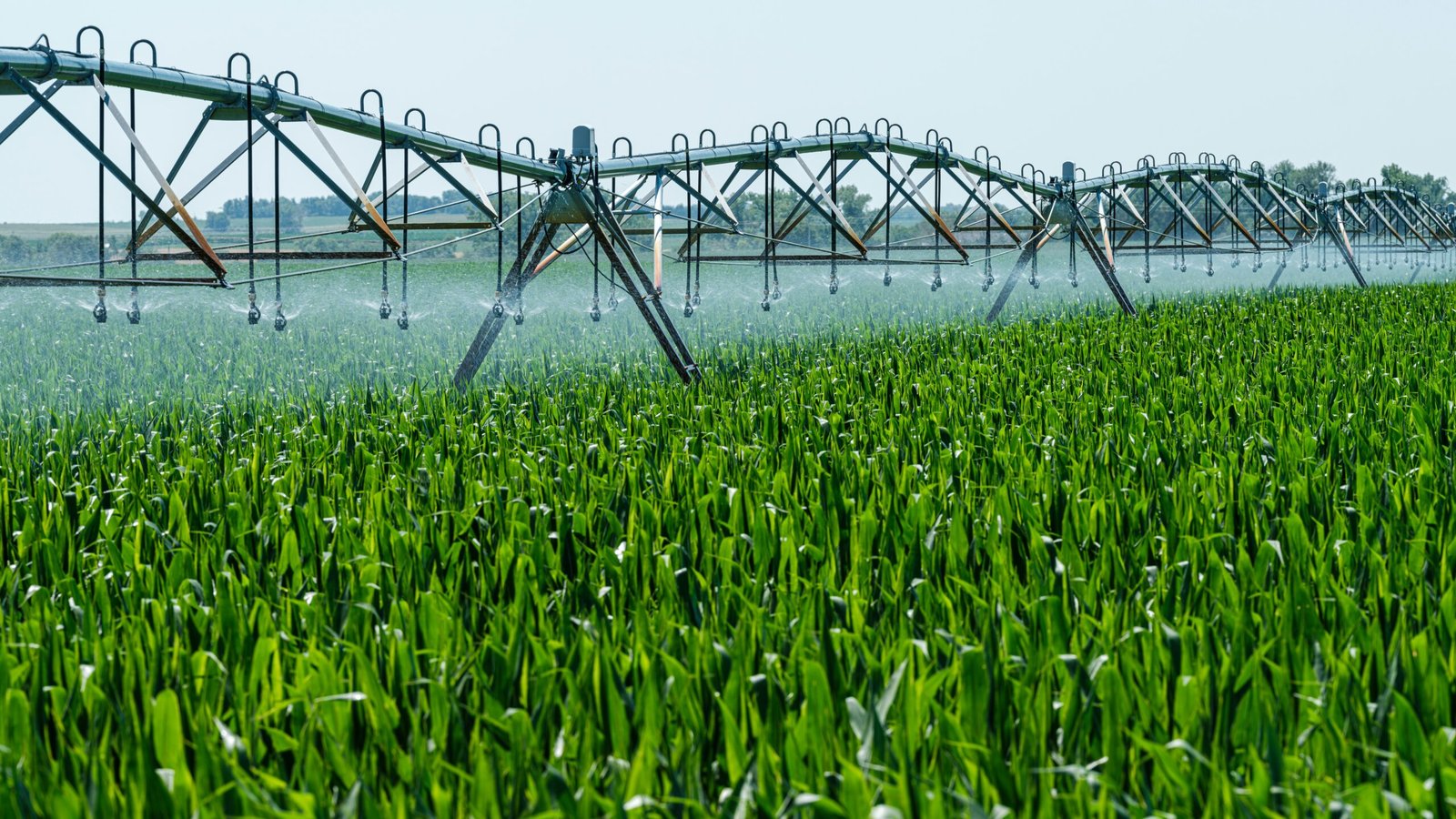
Clear reporting, honest pricing, and measurable sustainability results.
What Is Smart Irrigation?
Introduction

Water is one of the most critical resources in agriculture. Yet, it is also one of the most wasted. Many farms still rely on fixed irrigation schedules that ignore soil conditions and weather changes. This leads to over-irrigation, nutrient loss, and rising production costs.
Smart irrigation offers a practical solution. By responding to real-time field conditions, farmers can use water efficiently without stressing crops. This approach is especially important in water-scarce regions such as Pakistan, where declining groundwater levels and uneven canal supply threaten agricultural productivity.
Core Concept of Smart Irrigation
Smart irrigation uses data and automation to supply crops with water only when and where it is needed.
Types of Smart Irrigation Systems
Water is delivered directly to plant roots, reducing evaporation and runoff.
Sprinklers adjust water output based on soil moisture and weather conditions.
These systems rely heavily on soil and flow sensors to control irrigation timing.
Controllers adjust irrigation schedules using local weather data.
Automated pumps help regulate water flow in large irrigation networks.

How Smart Irrigation
Works
Sensors placed in the root zone measure moisture levels. These readings indicate when irrigation is necessary.
Rainfall forecasts and temperature data help adjust irrigation timing and volume.
Automated controllers activate pumps and valves based on field data.
Farmers receive alerts and recommendations to guide irrigation actions.

Smart Irrigation Technologies and Tools
Soil Moisture Sensors
These sensors track moisture levels at different soil depths.
Flow Meters and Pressure Sensors
They monitor water flow and detect leaks or blockages.
Smart Irrigation Controllers
Controllers automate irrigation cycles based on preset thresholds.
Mobile and Web Dashboards
Dashboards display irrigation data in an easy-to-understand format.
Valve Automation and Timers
Automated valves ensure precise water delivery.
Data Logging Systems
Data logs help farmers review irrigation performance over time.
Smart Irrigation Practices in Farming
Smart irrigation practices help farmers use water efficiently while meeting crop needs.
Scheduling Irrigation by Crop Stage
Young plants need less water. Mature crops need more. Smart systems adjust accordingly.
Zone-Based Irrigation Management
Fields are divided into zones with different water needs.
Preventing Water Stress
Timely irrigation avoids yield loss caused by drought stress.
Managing Different Soil Types
Sandy soils need frequent light irrigation. Clay soils need slower application.
Using Weather and Soil Data
Integrating real-time weather forecasts and soil moisture data helps optimize irrigation and conserve water.
- Benefits of Smart Irrigation
Water Savings
Smart irrigation significantly reduces water waste.
Improved Crop Yields
Proper moisture improves plant health and yield consistency.
Lower Energy Costs
Reduced pumping lowers electricity and fuel expenses.
Reduced Nutrient Leaching
Controlled irrigation keeps nutrients in the root zone.
Healthier Root Development
Balanced moisture supports stronger root systems.
Smart Irrigation in Pakistan
Water Challenges
Pakistan faces canal losses, groundwater depletion, and salinity issues.
Suitable Crops
Wheat, rice, cotton, vegetables, and orchards benefit strongly.
Useful Tools for Local Farms
Drip irrigation, moisture sensors, and automated pumps are effective.
Barriers to Adoption
High cost, limited awareness, and power issues slow adoption.
Opportunities
Government programs and private initiatives promote efficient irrigation.

Challenges and Limitations of Smart Irrigation
Smart Irrigation and Soil Health
Smart irrigation prevents waterlogging by applying only the required amount of water, protecting roots and soil structure.
Controlled watering also reduces soil salinity by limiting excess salt accumulation. Maintaining proper moisture levels helps preserve soil aggregation and porosity. Balanced soil moisture further supports nutrient availability, allowing plants to absorb nutrients more efficiently.
Smart Irrigation vs Traditional Irrigation
|
Factor
|
Smart Irrigation
|
Traditional Irrigation
|
|---|---|---|
|
Water Use
|
Efficient
|
Excessive
|
|
Yield Stability
|
High
|
Variable
|
|
Soil Impact
|
Positive
|
Often negative
|
|
Labor Need
|
Lower
|
Higher
|
Pros and Cons of Smart Irrigation
|
Pros
|
Cons
|
|---|---|
|
Saves water
|
High initial cost
|
|
Improves yields
|
Technical maintenance
|
|
Lowers costs
|
Training required
|
|
Protects soil
|
Infrastructure dependency
|
|
Supports sustainability
|
|
|
|
Smart Irrigation and Climate Resilience
Smart irrigation helps crops withstand drought by delivering water precisely when needed.
It adapts to irregular rainfall, adjusting irrigation schedules to prevent over- or under-watering. By maintaining adequate moisture, it reduces heat stress on plants during extreme temperatures. Overall, smart irrigation enables efficient water use, allowing farmers to maintain productivity even under challenging climate conditions.
Conclusion
Smart irrigation plays a critical role in modern agriculture by improving water efficiency and protecting crops from stress. It replaces fixed irrigation schedules with informed decisions based on real field conditions. By saving water, lowering costs, and improving yields, smart irrigation supports sustainable farming and long-term food security.
For countries like Pakistan, where water availability is increasingly uncertain, smart irrigation offers a practical and effective solution. As technology becomes more affordable and accessible, smart irrigation will remain a key tool in building resilient and productive farming systems.
- Frequently Asked Questions
What is smart irrigation?
It delivers water based on soil, crop, and weather conditions.
How does smart irrigation work?
It uses sensors and controllers to automate irrigation decisions.
Can smart irrigation save water?
Yes, it reduces waste and improves efficiency.
Which sensors are used?
Soil moisture, flow, and pressure sensors are common.
Is smart irrigation expensive
Initial costs are high, but savings increase over time.
Which crops benefit most?
Vegetables, orchards, cotton, wheat, and rice.
Can smart irrigation work in Pakistan?
Yes, especially in water-scarce regions.
How does it affect soil health?
It prevents waterlogging and reduces salinity risk.